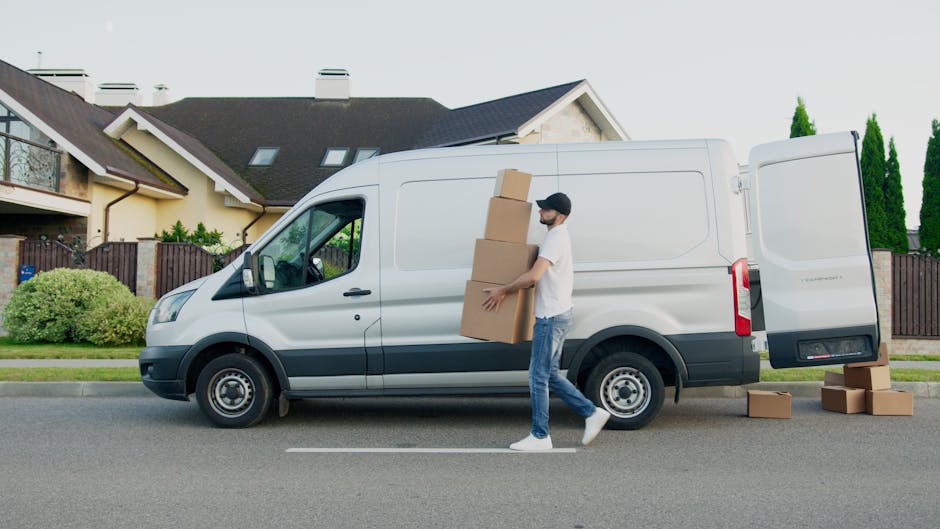
Willesden Green Man and Van Services Brent Local Guide
If you are planning a move in North West London, a Willesden Green man and van service can be the simplest way to shift furniture, boxes, and awkward bits without turning the day into a full-blown ordeal. This guide to Willesden Green man and van services Brent local guide is written for people who want practical answers: how it works, what it suits, what to check before booking, and how to avoid the usual moving-day headaches. Truth be told, a good local move is often about planning more than muscle.
Whether you are moving out of a flat above a parade of shops, collecting second-hand furniture, or helping a small office relocate, the right service can save time, stress, and a few noisy arguments with the staircase. Below, you will find a clear local guide with useful comparisons, expert tips, a checklist, and a realistic example from a typical Brent move.
Why this local guide matters
Willesden Green sits in a busy part of Brent where streets can feel tight, parking can be limited, and small access issues quickly become big ones. A man and van service makes sense here because it is flexible. You do not always need a huge lorry for a one-bedroom flat, a student move, or a furniture pick-up. Sometimes you need a smaller vehicle, a steady pair of hands, and a driver who knows how to work around real London conditions.
That local knowledge matters more than people think. A move that looks simple on paper can go sideways if the van cannot stop safely, if building access is narrow, or if the lift is out of order. In Brent, where housing types range from purpose-built flats to terraces and converted properties, the ability to adapt is half the battle.
There is another reason this guide matters. Many people search for a removal option only when they are already rushed. They need answers fast, and a generic national page rarely explains the local realities. This article aims to do the opposite: give you the kind of guidance that helps you decide calmly, before the boxes are sealed with whatever tape was left in the drawer. We have all been there.
Practical takeaway: if your move is local, your access is tricky, or you only need help with part of the job, a man and van service is often the most efficient choice.
How this service works
At its core, a man and van booking is straightforward. You choose the size of help you need, explain what is being moved, agree the timing, and the mover arrives with a suitable van and loading support. Depending on the job, this may include one driver, an extra pair of hands, or a larger team if the load is heavy or the access is awkward.
The process usually follows a simple pattern:
- You describe the move, collection, or delivery in plain language.
- The provider checks the volume, access, distance, and any special handling needs.
- A quote is given, sometimes based on time, job size, or a fixed scope.
- The move is scheduled for a date and time that works for both sides.
- On the day, the team loads, transports, and unloads the items carefully.
If you need broader help than a standard small move, it is worth looking at the wider removal services available, or at a more specific option such as man and van, man with a van, or moving van. For larger jobs, a bigger vehicle like a moving truck may be better. Simple enough, but the devil is in the detail.
There is also a practical difference between a quick collection and a full move. A collection from a shop or marketplace can be handled in under an hour if access is easy. A flat move, especially with stairs or parking restrictions, needs more thought. This is where experience counts, because time lost at the kerbside is time you pay for.
Key benefits and practical advantages
The best thing about a Willesden Green man and van service is flexibility. You are not paying for a giant vehicle that sits half empty. You are choosing a service that can scale to the job in front of you, which is useful for Brent's mix of compact homes, shared houses, and small businesses.
- Better value for smaller moves: ideal when you have a modest load and do not need a full-size removal crew.
- Local agility: easier to handle short-notice jobs, single-item deliveries, and quick turnarounds.
- Less waste: a right-sized vehicle is often more efficient than hiring more than you need.
- Flexible support: you can often tailor the job around loading, unloading, packing, or furniture protection.
- Useful for awkward access: smaller vehicles can be a real advantage on narrow roads or in busy residential streets.
There is also a human benefit. People underestimate how much calmer a move feels when the logistics are tidy. Boxes are handled in one go. The sofa is not bounced from one vehicle to another. You can hear the quiet confidence of someone who has done it before. That matters, especially when you are juggling keys, paperwork, and the mild panic that arrives when the kettle is already packed.
If you want additional reassurance around moving standards and what responsible operators should be thinking about, pages like insurance and safety, health and safety policy, and recycling and sustainability can help you understand the sort of care a professional provider should be taking seriously.
Who this is for and when it makes sense
This service is not only for people moving home. It suits a surprisingly wide range of everyday situations in Brent and nearby. If the job is too small for a full removal company but too big for your car boot, you are in the right place.
Typical users
- Tenants moving between flats or shared houses
- Homeowners relocating a few rooms at a time
- Students moving to or from local accommodation
- Small businesses shifting equipment or stock
- People collecting furniture from shops, marketplaces, or storage
- Anyone needing a one-off furniture pick up
It also makes sense when timing is tight. Perhaps you have one day to hand back keys. Perhaps the seller has moved out late and you need to collect beds, a table, and a few bulky bits in a single run. In those moments, a structured van job can be much less stressful than borrowing a mate's estate car and hoping for the best. Spoiler: that rarely ends well.
For full home moves, a broader option such as home moves, house removals, or house movers may be more appropriate. For office jobs, you would usually look at office removals or office relocation services instead.
Step-by-step guidance
If you want the move to feel controlled rather than chaotic, approach it in stages. Small jobs often go wrong because people assume they can wing it. You can sometimes wing dinner. You should not wing a sofa transfer up three flights of stairs.
- List every item. Not every screw and washing basket, but enough to understand volume and fragility.
- Check access at both ends. Think about stairs, lifts, parking, loading bays, and whether the van can stop nearby.
- Sort what is going. Separate what is moving, what is staying, and what can be donated or recycled.
- Ask for the right vehicle size. A compact move may suit a smaller van, while larger furniture may need a bigger load space.
- Confirm the handling details. Mention fragile items, heavy pieces, awkward corners, or items that need disassembly.
- Prepare for loading day. Pack boxes properly, label them, and keep essentials aside.
- Stay available on the day. A quick call can solve a parking issue before it slows everything down.
One small but valuable habit is to photograph the larger items before the move. Not because anything dramatic is expected, just because it helps you remember the order of dismantling, the condition of the item, and where the tricky bits are. Handy little trick. Very boring. Very effective.
If you need help preparing boxes or dealing with awkward inventory, packing and unpacking services can make a big difference. And if your move is tied to a larger transport job, the options at removals and movers are worth understanding before you book.
Expert tips for better results
Most smooth moves come down to good judgment rather than brute force. Here are the habits that tend to separate a decent experience from a frustrating one.
- Book with realistic timings. If parking is hard near your building, allow extra time. The van may be ready before the street is.
- Keep the heaviest items closest to the door. This reduces the amount of carrying and makes loading quicker.
- Use simple labels. "Kitchen," "bedroom," and "fragile" are often enough. No one needs a novella on the side of a box.
- Measure larger furniture. Door widths and stair turns can catch people out more often than they admit.
- Protect the building as well as the furniture. Blankets, wraps, and cautious handling help with both.
- Confirm payment method and terms early. A bit of admin at the start avoids annoying surprises later.
Another tip: think about the move as a sequence, not a pile. Load in the order you will need things at the other end. Essentials last in are usually first out. That small bit of planning can save ten minutes of rummaging and a fair bit of irritation. When you are tired, ten minutes feels longer than it should.
If you are comparing providers, the pages on pricing and quotes, payment and security, and terms and conditions are worth checking so you know what is included, what is excluded, and how any extras are handled.
Common mistakes to avoid
It is easy to make a small move harder than it needs to be. Most problems are predictable, which is annoying, because that means they are also avoidable.
- Underestimating the volume: a few "small" bags can add up quickly once they are boxed properly.
- Ignoring access: if the van cannot stop near the entrance, the job gets slower and more expensive.
- Leaving packing too late: last-minute wrapping often leads to weaker boxes and damaged items.
- Not saying what is fragile: glass, screens, and framed items need clear handling instructions.
- Forgetting disassembly: wardrobes and beds are rarely moved in one piece without trouble.
- Choosing the wrong type of service: a small van is great for some jobs, but not every job.
There is also a common money mistake: comparing prices without comparing scope. A lower quote is not always a better quote if it leaves out loading help, waiting time, or basic protection. To be fair, that is where people get caught out. The number looks fine until the job starts and the "extras" start appearing like unwanted guests.
For larger or more structured moves, it can be smarter to consider a more complete option such as removal company or removal companies rather than squeezing a bigger job into a smaller service.
Tools, resources and recommendations
You do not need fancy gear to organise a successful move, but a few practical tools help. Most are simple enough to buy or borrow, and all of them reduce stress.
- Strong boxes: use uniform box sizes where possible, especially for books and kitchen items.
- Packing tape: proper tape beats the cheap stuff every time.
- Marker pens: label boxes on more than one side.
- Blankets or covers: useful for tables, wardrobes, and anything with a polished surface.
- Straps or ties: help secure loose items inside the van.
- Basic toolkit: screwdriver, Allen keys, and a tape measure can save the day.
For jobs that involve a larger vehicle, you may also want to understand the difference between a removal van, a removal truck hire option, and lighter van-based help such as man with van removal. The right choice depends on your load, not your imagination.
If you are clearing unwanted items rather than moving them, recycling and sustainability and furniture pick up can be especially relevant. It is a cleaner way to handle items you no longer need, and frankly, it is nicer than leaving them in a hallway "for later". Later never comes.
Law, compliance and best practice
For local removals, the most important thing is that the service is handled responsibly. That means careful loading, safe lifting, appropriate insurance, and clear communication about what is being moved. If you are hiring help in the UK, it is sensible to ask what level of cover and safety practice applies, even if the move is small.
You do not need to become a compliance expert. But you should expect the provider to act professionally around:
- Insurance: understand what is covered and what is not, especially for fragile or high-value items.
- Health and safety: lifting, carrying, and load securing should be done properly.
- Transparency: pricing, wait time, access issues, and service limits should be explained clearly.
- Data and privacy: if you share personal details, those should be handled responsibly.
- Ethical operations: reputable operators should be able to speak clearly about their business practices.
Useful pages for this kind of reassurance include about us, insurance and safety, and privacy policy. For any larger or recurring work, it is also worth checking commercial moves if the move relates to business premises.
One practical point: if a quote feels vague, ask for clarity. A proper provider should be able to explain the scope in plain English. No jargon soup. No awkward hedging. Just clear terms and sensible expectations.
Options and comparison table
Choosing the right moving option depends on what you are moving, how much there is, and how much help you need. Here is a simple comparison that may help.
| Option | Best for | Typical strengths | Watch-outs |
|---|---|---|---|
| Man and van | Small to medium local moves, collections, single-room moves | Flexible, efficient, often easier to book at short notice | May be too small for large household moves |
| Removal van | Structured but still compact moves | Better space for furniture and boxes | Needs good planning to avoid overloading |
| Removal company | Full-house or more complex relocations | Broader support, often more suitable for bigger jobs | Can cost more than a smaller van-based service |
| Moving truck hire | Large volumes, office work, multi-room moves | Space and capacity | May be unnecessary for smaller, local jobs |
If you are not sure which direction to choose, ask one simple question: "What exactly am I moving, and how quickly do I want it done?" That tends to settle the issue. A lot of confusion disappears once the move is described honestly.
Case study or real-world example
Here is a realistic example from the sort of move people in Willesden Green and the wider Brent area deal with all the time.
A couple living in a first-floor flat needed to move to a nearby property in Brent. They had a bed frame, two mattresses, six boxes of books, kitchen items, a small dining table, and a handful of plants. The tricky part was access. The new place had a narrow entrance and limited roadside stopping space. Nothing dramatic, just London doing London things.
They chose a man and van service rather than a full removal team. Before the move, they measured the larger items, disassembled the bed frame, labelled every box, and set aside the essentials bag with chargers, tea, medication, and kettle. Sensible people, honestly. On the day, the loading ran in the right order: heavier furniture first, fragile items secured separately, then the boxes. The move stayed local, the trip was short, and the whole thing felt far less stressful than they had expected.
What made it work was not luck. It was preparation, realistic expectations, and choosing the right-sized service. That is the pattern you see again and again with successful local moves. Nothing glamorous. Just solid planning.
Practical checklist
Use this before your move or collection. It is simple, but it catches the common problems.
- Confirm the exact pickup and drop-off addresses
- Check parking or loading access at both ends
- Measure large items and doorways
- Decide whether items need disassembly
- Label boxes clearly
- Separate fragile items from general loads
- Keep essentials with you
- Ask about insurance and safety cover
- Confirm the quote basis and any extras
- Set aside a contact number for the day
- Prepare payment details if needed
- Plan what will happen with unwanted items
Quick reminder: the more clearly you prepare, the smoother the move tends to be. It really is that plain.
Get a free quote today and see how much you can save.
Conclusion
A good Willesden Green man and van service is not just about moving stuff from one place to another. It is about matching the right vehicle, the right support, and the right timing to a local job that needs care. In a busy part of Brent, that practical fit matters more than flashy promises.
If you plan well, compare the service type honestly, and check the basics around safety, pricing, and access, you will usually end up with a far calmer moving day. That is the real win. Less scrambling, fewer surprises, and a move that feels manageable rather than overwhelming.
And once it is all done, that first cup of tea in the new place tastes better than it should. Funny how that works.
Frequently Asked Questions
What is a Willesden Green man and van service?
It is a local moving service that uses a van and one or more helpers to transport items such as furniture, boxes, and appliances within or around Brent. It is usually best for small to medium jobs.
Is a man and van cheaper than a full removal company?
Often, yes, especially for smaller jobs. But the final cost depends on what you are moving, how much help is needed, access conditions, and whether extra time or handling is required.
How do I know if I need a van or a full removal service?
If you are moving a few items, a one-bedroom flat, or doing a local collection, a van-based service may be enough. If you have a larger household, lots of furniture, or a complicated move, a fuller removal service may suit you better.
Do I need to pack everything before the van arrives?
You should aim to have boxes packed and closed before the team arrives. That keeps the move efficient and reduces the chance of damage. Some providers can help with packing too, but it is best to agree this in advance.
Can a man and van help with furniture pick-up?
Yes, this is one of the most common uses. It works well for marketplace purchases, shop collections, and one-off furniture pick up jobs that do not need a full removal vehicle.
What should I tell the mover before booking?
Be clear about the number of items, the size of any furniture, access at both addresses, parking restrictions, stairs, lifts, and whether anything is fragile or needs dismantling. Honest details save time later.
Are man and van services suitable for office moves?
They can be, but only for small or simple office jobs. For a more structured business move, office removals or office relocation services may be more appropriate.
What if my street has difficult parking?
Say so before booking. In Brent, access and parking can affect timing more than people expect. A provider can only plan properly if they know the real situation.
Should I choose the cheapest quote?
Not automatically. Compare what is included, how the job is scoped, and whether there are extra charges for waiting, stairs, or difficult access. The cheapest headline price is not always the best value.
Is insurance important for a small move?
Yes. Even a small job can involve fragile items, heavy lifting, and awkward corners. It is sensible to check what cover is in place and how the provider handles safety.
Can I book a service for just one item?
Yes, many people use man and van services for single-item moves such as sofas, beds, washing machines, or office equipment. It is one of the most practical uses of the service.
What is the best way to prepare for moving day?
Pack early, label boxes clearly, separate fragile items, measure large furniture, and keep your essentials close. A little prep goes a long way, honestly. It makes the whole day feel less like a scramble and more like a plan.